Manimala Chithamanan
Policy researcher working on government programmes, governance, public data, and evidence-based policy.
About
Policy Researcher & Public Policy Analyst
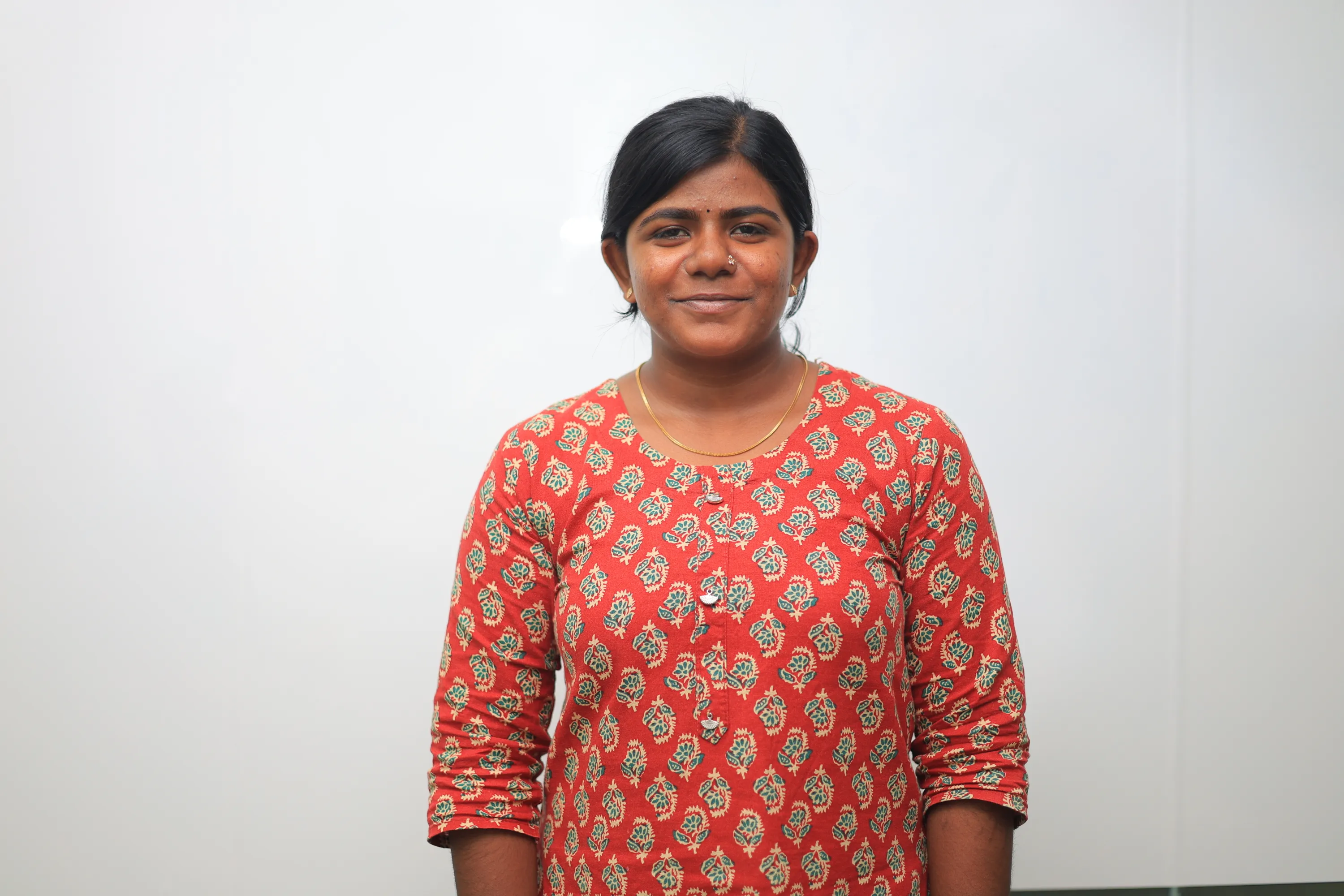
I work at the intersection of public policy, governance, and programme implementation. My experience includes supporting a Government of Tamil Nadu education initiative, coordinating programme reporting, developing monitoring frameworks, and working with government, CSR, and implementation partners.
I coordinated reporting and compliance across 37,000+ school units and developed SOPs and reporting frameworks to strengthen programme monitoring. I also founded the Tamil Nadu Governance Desk, an independent platform for governance research, public data analysis, and parliamentary accountability. I hold an MA in Politics & International Relations from Central University of Gujarat and a BA in History & Tourism from Stella Maris College. My current focus is building stronger capabilities in data analytics, GIS, Power BI, SQL, and Monitoring & Evaluation, with the goal of applying them to public-sector and government consulting problems.
View ProfileArchive
Selected Writing
Tamil Nadu Data Policy 2022: Gaps and Recommendations
TNDP 2022 pre-dates the DPDP Act 2023 and shows it — no statutory force, an outdated privacy framework, unaddressed commercialisation risk, and no AI governance layer. A gap-by-gap breakdown of what a revision would need to fix, and why Tamil Nadu still has time to do it before DPDP's core provisions take full effect in 2027.
The Success Trap: Performance, Population and the Future of Indian Federalism
The defeat of the 131st Amendment Bill on April 17, 2026 was not just about women's reservation — it was an institutional veto against a population penalty. This article argues that delimitation and reservation are separate policy problems that must never be conflated into a single constitutional instrument.
Platform Economy and Youth Employment: Structural Gaps in India's Development Model
India's educated youth are caught between a gig economy that offers income but no security, and a formal sector that isn't growing fast enough. Drawing on ground-level observations from Tamil Nadu's industrial ecosystem, this piece analyses the structural gaps that policy must urgently address.
The 2026 Governance Crisis: Are We Bypassing the State?
As Tamil Nadu State Elections 2026 approach, a structural shift is happening between the Union, State, and Local Bodies. Three policy red flags — the MLA patronage trap, fiscal federalism vs. direct grants, and the lawmaker gap — reveal why subsidiarity is the answer for TN's trillion-dollar ambitions.
Success is a Liability: The 2026 'Performance Tax'
Tamil Nadu and Kerala crashed their Total Fertility Rate through democratic progress — well below replacement level. Yet with Delimitation 2026, these high-performing states risk losing their parliamentary voice. When success is penalised, incentive design is broken.
Observations
Notes
Notes archive — new entries added regularlyShort observations on Tamil Nadu politics, political communication, and governance. Things worth saying before they become full articles.
Parliament is doing less of its own accountability work
Sitting days in the Lok Sabha have fallen from roughly 135 a year in the 1st Lok Sabha to about 55 a year in the 17th. Standing Committees — which scrutinise Bills clause by clause, bringing in outside experts — examined 71% of Bills in the 15th Lok Sabha. That fell to 25% in the 16th, and 16% in the 17th. Fewer sitting days and fewer Bills sent to committee mean less of a government's reasoning ends up on the public record. It's also why external tracking — sites like this one — matters more, not less, as Parliament's own capacity to self-scrutinise shrinks.
Connect
Get in Touch
Interested in collaborating on research, or just want to discuss policy? I'd love to hear from you.
Open to roles in policy research, data analysis, and writing — fellowships, think tanks, civil society, and government projects welcome.